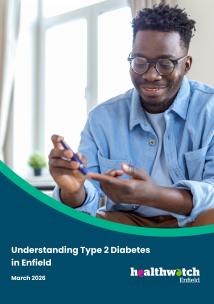
Understanding Type 2 Diabetes in Enfield
Across Enfield, many people are living with or at risk of developing Type 2 Diabetes (T2D). With growing numbers affected nationally and locally, it has never been more important to understand whether residents have the knowledge, tools, and confidence they need to manage their health effectively.
Healthwatch Enfield reached out to communities to find out how aware residents are of T2D, and what support do they feel they need to prevent or manage it well? This report brings together the voices of local people who shared their experiences, challenges, and ideas for change.
- An online survey was launched to capture feedback from residents across Enfield, 30 participants completed the survey.
- We delivered five workshops, which included focus group discussions and sessions led by NHS specialists who provided advice and information on the management and prevention of T2D. 89 partipants took part in the discussions, the focus groups was supported through partnerships with Sisters in Mind, Ordnance Road Methodist Church, One-to-One, and the Centre for Social Inclusion.
"I get an annual review... but unsure whether this is a HbA1c test."
Key findings
- Many residents lacked basic understanding of T2D causes, symptoms, and risk factors before engagement.
- Many residents had never accessed structured diabetes education (DESMOND), often due to lack of awareness or referral barriers.
- Digital exclusion was a significant barrier, affecting access to GP appointments, diabetes education, referrals, and online resources, especially for older people, South Asian and Black communities, and residents with low digital skills.
- Emotional barriers such as loneliness, low motivation, overwhelm and anxiety made long-term self‑management more difficult.
- Practical challenges included cost of healthy food, lack of culturally relevant dietary guidance, and physical limitations related to long-term conditions or chronic pain.
- Residents wanted more practical, ongoing support e.g. cooking classes, portion guides, culturally specific meal ideas, and easier routes to speak with diabetes specialists.
Our findings revealed how much of an impact and a difference T2D education can make for residents and seldom‑heard communities. Education needs to be clear and empowering so that people feel confident managing their health and daily lives.
Our recommendations include:
- Making information easier to understand, with clear explanations and simple visual guides provided at diagnosis.
- GPs and Healthcare Professionals to provide information resources to residents at point of diagnosis and in outreach.
- Offering more community‑based workshops and drop‑ins, so residents can access support in familiar and convenient local spaces.
- Improving communication from health professionals, ensuring people receive consistent advice, follow‑up, and reassurance.
- Reducing digital barriers by making sure non‑digital options exist for booking appointments and accessing diabetes education.
- Providing practical, culturally relevant lifestyle support, including realistic food guidance and everyday examples residents can use at home.