Extreme Heat Health Alert
The Met Office has issued a Red Extreme Heat Warning for Wednesday and Thursday. Read how to stay cool in the weather.
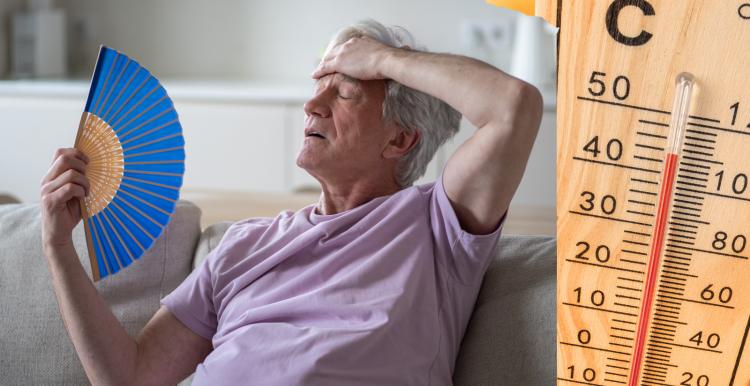
The Met Office has issued a Red Heat Health Alert in effect from 1AM on 24/06/2026 until 11PM on 25/06/2026 across London.
What this means
Severe impacts are expected across services due to extreme temperatures and impacts to health across the population. This includes:
- Increased risk to life across the whole population, with significant impacts on older people
- Increased demand on all health and social care services
- The heat affecting the ability of the workforce to deliver services
- Hot indoor environments making provision of care challenging and national critical infrastructure failures, such as generators and power outages
- Water-related incidents may increase, including risks from cold-water shock and drowning
Action to take:
- Cascade public health messaging and resources through all available channels to colleagues, residents and businesses (See key resources below)
- Promote access to cool spaces where people can take a break from the heat e.g. libraries
- If you are a community space and can act as a cool space, please consider officially signing up via the Register option Cool Spaces
- Check on your family, friends and neighbours that may be more vulnerable and who may need extra support
- Review the safety of public events, for more information please see the UKHSA guidance: Hot weather advice: mass gatherings and planning events - GOV.UK
Who is vulnerable to heat?
Anyone can become unwell when the weather is hot. The main causes of illness and death during high temperatures are related to elevated risk of heart attack, stroke, lung problems and other diseases. People who are at higher risk of becoming seriously unwell include:
- older people aged 65 years and over (note change from previous guidance of 75 years of age and above)
- babies and young children aged 5 years and under
- people with underlying health conditions, particularly: heart problems, breathing problems, dementia, diabetes, kidney disease, Parkinson’s disease, or mobility problems
- pregnant women
- people on certain medications
- people with serious mental health problems
- people who are already ill and dehydrated (for example from diarrhoea and vomiting)
- people who experience alcohol or drug dependence
- people who are physically active and spend a lot of time outside such as runners, cyclists and walkers
- people who work in jobs that require manual labour or extensive time outside
- people experiencing homelessness, including rough sleepers and those who are unable to make adaptations to their living accommodation such as sofa surfers or living in hostels.
- people who live alone and may be unable to care for themselves
Key messages to share with residents:
- Keep your home cool: Close curtains and windows in sunny rooms during the day. It can sometimes be cooler outside than inside.
- Look out for others: Check on older people, those with health conditions, and anyone living alone.
- Drink plenty: Stay hydrated and avoid too much alcohol.
- Never leave anyone in a parked car: This is especially dangerous for children, babies, and animals.
- Check equipment: Make sure your fridge, freezer and any fans are working properly.
- Avoid the hottest sun (11am–5pm): Stay indoors if you can. If you go out, wear a hat, sunglasses, sunscreen and seek shade.
- Take it easy: Avoid heavy activity during the hottest part of the day—plan exercise for early morning or evening.
- Stay prepared when out: Carry water and follow safety advice if cooling off in water.
- Store medicines safely: Keep them at the correct temperature as advised on the packaging.
For further information, see: